The Revolution of Smart Cities: How Technological Innovations Are Transforming Urban Planning in the United States
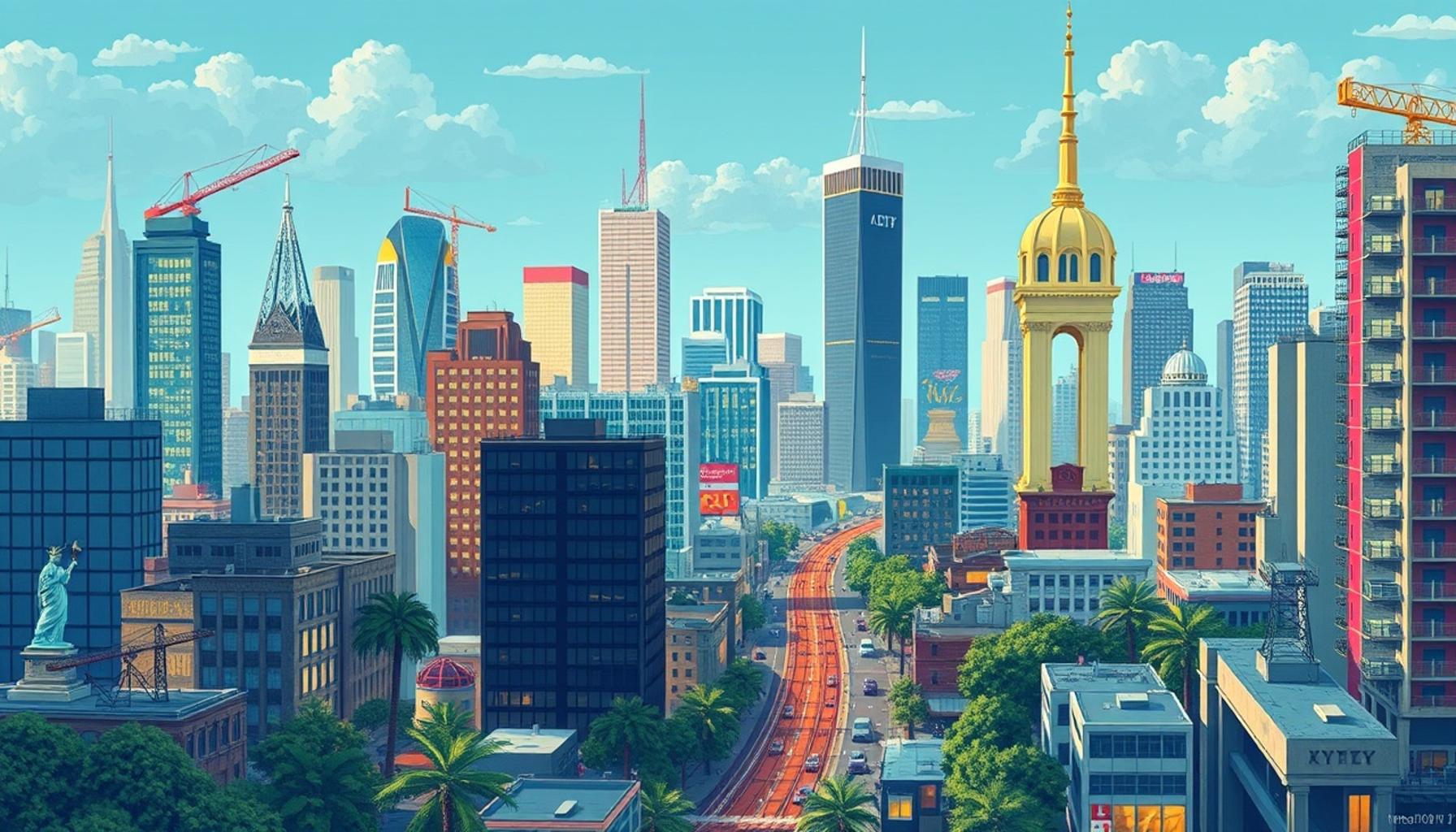
The Urban Transformation
Emerging technologies are reshaping the way urban environments function. As cities across the United States embrace these changes, residents are experiencing a more efficient and interconnected way of life. This evolution is characterized by the integration of smart technologies that revolutionize everything from energy consumption to public safety, presenting both benefits and challenges.
Smart Infrastructure
One of the most significant advancements can be seen in smart infrastructure. Cities are now deploying advanced sensors and Internet of Things (IoT) devices to optimize the management of resources. For example, cities like Chicago have launched systems that monitor water usage and quality in real-time to reduce waste and ensure public health. These innovations help cities conserve energy and water, ultimately leading to substantial cost savings and environmental benefits.
Data-Driven Decision Making
Moreover, data-driven decision making is becoming standard in urban planning. By analyzing vast amounts of data— from traffic patterns to demographic shifts— city planners can make informed choices that enhance services. In cities such as Seattle, data analytics are employed to identify areas needing better public transport options, thus facilitating more effective allocation of resources. As a result, residents benefit from efficient public services tailored to their specific needs.
Innovative Transportation Solutions
The transportation landscape is also witnessing a dramatic redesign through innovative solutions. Urban mobility is being revolutionized with options such as autonomous vehicles and bike-sharing programs. For instance, in Austin, Texas, the introduction of shared electric scooters has transformed the way people navigate the city, providing a convenient alternative to traditional automobile travel. Additionally, pilot programs for self-driving shuttles are underway in several metropolitan areas, showcasing a commitment to leveraging technology for safer, more impactful transit options.
Exemplary Cities Leading the Way
Several key players stand out in this urban revolution:
- San Francisco: The city is at the forefront of autonomous vehicle testing, allowing companies to refine their technologies in a real-world environment while developing regulations that ensure public safety.
- San Diego: By deploying smart streetlights that adapt their brightness based on real-time traffic data, San Diego is not only improving safety but also reducing energy consumption, showcasing how technology can lead to sustainable urban solutions.
- New York City: Initiatives like smart traffic systems are being implemented to alleviate congestion, which ultimately enhances the flow of both vehicles and pedestrians, making the city more vibrant and accessible.
The integration of these advanced systems not only reshapes cities but also lays the groundwork for greater sustainability and community engagement. As urban areas continue to modernize, they face the dual challenge of harnessing the innovations while addressing the complexities associated with them. This transition towards smart city models is a promising trajectory that emphasizes the importance of a more connected, efficient, and sustainable future for urban living.
Connecting Communities through Technology
As urban areas grapple with growing populations and the pressures of modernization, the need for smart city solutions has never been more urgent. The fusion of technology and urban planning is paving the way for improved community connectivity, optimized services, and enhanced quality of life. By harnessing the potential of smart technologies, cities are not only addressing immediate challenges but also laying the foundation for sustainable development in the long term.
Smart Energy Management
The energy sector is undergoing substantial transformation, with cities implementing smart grids that enhance efficiency and reliability. For instance, cities like Denver are investing in smart energy solutions that allow residents to monitor and manage their energy consumption in real-time. This enhanced visibility promotes energy conservation and reduces costs, enabling households to make data-driven decisions about their energy usage.
Moreover, some cities are exploring renewable energy initiatives. San Diego aims to derive 100% of its energy from renewable sources by 2035, and smart technologies are fundamental to achieving this ambitious goal. The integration of solar panels and wind turbines is complemented by IoT devices that optimize the energy distribution across the city, reducing reliance on fossil fuels and mitigating carbon emissions.
Public Safety and Emergency Response
Another critical domain where smart technologies are making a significant impact is public safety. Advanced surveillance systems equipped with artificial intelligence (AI) are being deployed in cities such as Los Angeles to enhance security measures. These systems can analyze data patterns to identify potential threats in real time, allowing law enforcement to respond more quickly and effectively.
In addition, cities are investing in smart emergency response systems that utilize data analytics to improve disaster preparedness. For example, New Orleans is leveraging real-time data to assess vulnerabilities in infrastructure and create more efficient evacuation plans during natural disasters. These enhancements not only boost the safety of residents but also foster a resilient urban environment that can weather the challenges of climate change.
Inclusive Digital Platforms
The role of digital platforms in fostering community engagement cannot be overlooked. Many cities are developing applications that provide residents with information on public services, community events, and local initiatives. For instance, Philadelphia has launched platforms that facilitate engagement between city officials and residents, fostering transparency and collaboration. Such initiatives offer citizens direct channels to voice concerns, suggest improvements, and participate in the planning processes that shape their neighborhoods.
As cities increasingly embrace these innovations, the challenge remains to ensure that all residents have equitable access to the technological benefits. This means addressing the digital divide, that can lead to disparities in service and engagement. However, with the right policies and initiatives, smart cities can empower communities and enhance democratic participation.
The revolution of smart cities is unfolding across the United States, promising a future where technology and urban living harmoniously coexist. As urban planners adapt to these innovations, cities can become more resilient, efficient, and sustainable, ultimately enriching the lives of millions of residents. The journey has just begun, and the potential is limitless.
As we delve deeper into the revolution of smart cities, it is essential to understand the dynamic role of technology in reshaping urban planning across the United States. Technological innovations, such as the Internet of Things (IoT), artificial intelligence (AI), and big data analytics, are not merely enhancing our cities—they are fundamentally rethinking how urban environments function and cater to the needs of their residents.Smart Transportation Systems are a noteworthy example, employing IoT devices and AI algorithms to optimize traffic flow, reduce congestion, and improve public transportation efficiency. Cities like San Francisco and Los Angeles have begun implementing smart traffic lights that adapt to real-time traffic conditions, contributing to reduced travel times and lower greenhouse gas emissions.Moreover, data-driven decision-making is transforming how city planners tackle challenges. By utilizing big data, urban planners can analyze demographics, mobility patterns, and economic trends, leading to more informed policies that promote sustainability and inclusivity. Cities like New York are harnessing vast amounts of data collected from mobile devices and city sensors to create responsive infrastructure and services.Additionally, sustainable practices are becoming integral to urban development. Smart buildings equipped with energy-efficient technologies lead to significant reductions in energy consumption. For instance, rooftops covered with solar panels or green gardens not only generate energy but also enhance urban biodiversity. By promoting eco-friendly architecture and incorporating green spaces, cities foster healthier living environments.The integration of smart technologies is also redefining community engagement. Platforms like city apps allow residents to report issues, provide feedback, and participate in planning processes. Consequently, a more connected and involved citizenry emerges, leading to urban spaces that reflect the true needs and aspirations of the communities they serve.As cities navigate the complexities of urbanization, these technological advancements offer unprecedented opportunities to create smarter, more sustainable, and resilient urban environments. The ongoing evolution invites further exploration into how these innovations can be leveraged to address pressing urban challenges and improve quality of life for all.
Transforming Transportation and Mobility
Urban mobility is experiencing a rapid evolution thanks to smart technologies that are reshaping how people navigate cities. The integration of intelligent transportation systems (ITS) is significantly improving the efficiency of public transit and reducing traffic congestion. For instance, cities like Seattle have implemented real-time tracking systems for buses and trains, enabling riders to plan their journeys better and reduce waiting times. With mobile applications providing live updates, commuters can make informed decisions about their travel routes, easing the strain on crowded public transport systems.
Smart Traffic Management
Smart city initiatives are also incorporating adaptive traffic signals that monitor and respond to real-time traffic flow. These systems utilize AI algorithms to analyze data from sensors placed throughout the city, adjusting traffic light patterns to optimize traffic movement. Cities such as Austin are already seeing tangible benefits from these innovations, reporting reductions in commute times and decreased emissions as vehicles spend less time idling at intersections. Such systems not only facilitate smoother traffic but also contribute to a reduce carbon footprint, supporting environmental sustainability goals.
Shared Mobility Solutions
The rise of shared mobility services, such as bike-sharing and ride-sharing platforms, is transforming urban transportation further. Cities like San Francisco have recognized the potential of these services in reducing vehicle dependency. By partnering with companies like Uber and Lyft, local governments can offer integrated transportation solutions that complement public transit. As a result, residents are empowered to choose environmentally friendly options, contributing to a decrease in traffic congestion and pollution levels.
Moreover, smart city technology is optimizing these shared mobility options through efficient resource allocation. For instance, cities are employing data analysis to position bikes or electric scooters in high-demand areas, ensuring availability when and where it is needed most. Such forward-thinking strategies not only improve accessibility but also foster a culture of sustainable transport practices.
Enhancing Healthcare Delivery
Healthcare services within smart cities are also experiencing a transformation through technological advancements. The integration of telehealth services and health monitoring devices allows residents to connect with healthcare providers more efficiently. For example, in cities like Boston, telemedicine applications have become instrumental during the COVID-19 pandemic, enabling residents to receive medical advice while minimizing the risk of transmission.
Additionally, smart medical facilities utilize data analytics to streamline patient care. Hospitals in New York City are harnessing big data to predict patient admission rates, optimizing staffing and resources accordingly. This means that healthcare providers can focus more on delivering quality care and less on administrative burdens, ultimately enhancing patient outcomes.
Environmental Monitoring and Sustainability
Another critical aspect of the smart city revolution is the emphasis on environmental monitoring. Technologies such as IoT sensors are deployed to gather data on air quality, noise levels, and waste management. Cities like Chicago are leveraging this information to implement targeted environmental policies that address pollution and promote sustainability.
Climate resilience is also a priority for smart cities, with initiatives focused on green infrastructure, such as permeable pavements and green roofs, which help manage stormwater runoff and mitigate heat island effects. By blending technology with ecologically sound practices, cities can build resilient urban landscapes that enhance livability and foster community engagement.
As technology continues to reshape urban planning in the United States, the rise of smart cities not only brings about innovative solutions but also offers an avenue for cities to adapt to 21st-century challenges. By prioritizing connectivity, efficiency, and sustainability, urban planners are positioning their communities for a brighter, more technologically integrated future.
Conclusion: Embracing the Future of Urban Living
The revolution of smart cities represents a profound transformation in urban planning across the United States, driven by technological innovations that enhance the quality of life for residents. As cities like Austin, Seattle, and San Francisco leverage intelligent transportation systems, adaptive traffic management, and shared mobility solutions, they are not only improving the efficiency of movement but also paving the way for a more sustainable and eco-conscious lifestyle.
The integration of technology in healthcare services underscores this paradigm shift. Telehealth initiatives are reshaping how citizens interact with their healthcare providers, making medical advice more accessible and efficient. With cities focusing on environmental monitoring and embracing green infrastructure, we witness a fusion of sustainability with modern urban design that prioritizes health and wellbeing.
However, the journey into a smart city future is not without challenges. As urban planners invest in technology, they must also consider issues of digital equity to ensure that all residents benefit from advancements. This delicate balance between innovation and inclusivity will be crucial in sustaining community engagement and fostering resilience against climate change.
In conclusion, the smart city movement offers a glimpse into the potential of technology to reshape our urban environments. By embracing these innovations, cities can navigate the complexities of the 21st century, turning challenges into opportunities for growth. As we observe this ongoing transformation, it invites us to further explore how smart cities can redefine our relationship with urban living and create a brighter, more connected future for all.

Linda Carter
Linda Carter is a writer and expert known for producing clear, engaging, and easy-to-understand content. With solid experience guiding people in achieving their goals, she shares valuable insights and practical guidance. Her mission is to support readers in making informed choices and achieving significant progress.