Credit Cards and Financial Inclusion: How New Technologies Are Attracting Unbanked Consumers

The Importance of Financial Inclusion
Access to financial services is essential for participation in the modern economy, as it empowers individuals to manage their money effectively, save for the future, and invest in opportunities. However, despite the rapid advancements in financial technology, a notable portion of the population remains unbanked, meaning they lack access to traditional banking services. This situation puts them at a disadvantage in securing their financial future and contributes to economic disparities.
Recent developments in technology are crucial in addressing this gap. Companies focusing on credit solutions have turned their attention to underserved individuals, providing resources that facilitate financial inclusion. These innovations are crucial for offering equal opportunities to every member of society, regardless of their socioeconomic status.
Mobile Applications
One of the primary tools reshaping financial accessibility is mobile applications. These user-friendly apps allow individuals to manage their finances directly from their smartphones, making banking services readily available anytime and anywhere. For example, applications like Venmo and Cash App have made it easier for people to send and receive money without needing a bank account. Users can link these apps to a debit card or even use them for direct deposits from employers, allowing for seamless financial transactions.
Digital Wallets
Digital wallets offer an innovative alternative for storing and using money without requiring a traditional bank account. Services like PayPal and Google Pay allow users to keep funds in a secure digital format, which can be used to shop online or even in physical stores via mobile payments. This increases convenience for consumers who may not have access to traditional financial services, enabling them to engage in e-commerce and other essential economic activities.
Alternative Credit Scores
Another significant advancement in the field of financial inclusion is the use of alternative credit scores. Traditional credit scoring models often rely heavily on a person’s credit history, which can be a barrier for many individuals who have limited credit or banking experience. By utilizing data from sources such as utility bills, rental payments, and even mobile phone bills, financial institutions can paint a more comprehensive picture of an individual’s creditworthiness. This approach can help those who are new to credit or trying to rebuild their credit scores gain access to loans and credit cards they might otherwise not qualify for.
By embracing these technologies, financial institutions are not only expanding their customer base but also empowering consumers to take control of their financial futures. This newfound accessibility offers unbanked individuals the opportunity to participate fully in the financial system, enabling them to build wealth, save for important life events, and ultimately contribute to a more robust economy.
DON’T MISS: Click here to discover how to apply
Innovative Credit Card Solutions
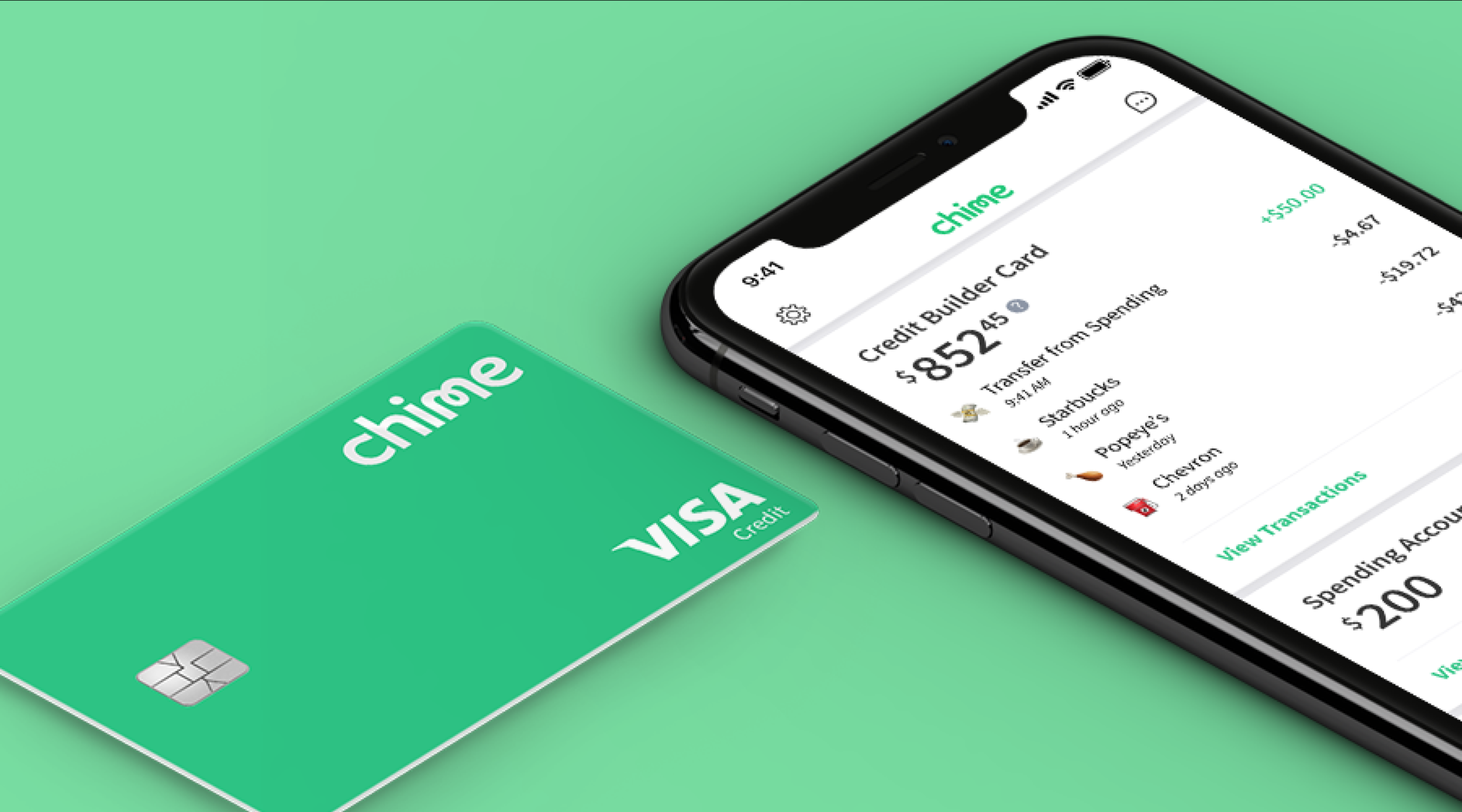
In addition to mobile applications and digital wallets, the evolution of credit card solutions specifically designed for unbanked consumers is making headlines. Traditional credit cards have long been inaccessible to those without a banking history, but new contenders in the financial technology arena are revolutionizing this aspect of consumer finance. These innovations allow unbanked individuals to access credit cards that cater to their unique circumstances, opening doors to better financial management.
Prepaid Credit Cards
Prepaid credit cards serve as a promising option for those who may not qualify for a conventional credit card. With a prepaid card, individuals can load funds onto the card and spend only what they have, which helps in keeping spending in check and managing finances effectively. Popular options like the Green Dot card or NetSpend allow users to easily load money through direct deposit or cash at various retail locations. This essentially creates a bridge for unbanked individuals to experience the benefits of plastic payments without the need for a bank account.
Secured Credit Cards
Another alternative is the secured credit card, which requires a cash deposit that serves as collateral against the credit limit. This type of card is an excellent stepping stone for building or rebuilding credit history. For example, if someone deposits $500, they may receive a credit limit of $500. By making regular payments and demonstrating responsible usage, unbanked consumers can gradually build their credit scores. Institutions like Discover and Capital One offer secured cards that are specifically aimed at individuals looking to improve their creditworthiness.
Microloans and Credit Building Programs
Innovative financial solutions also include microloans and credit building programs that help nurture credit profiles and improve access to credit cards over time. Organizations like Kiva offer small loans to individuals around the world, empowering them to establish a business or meet urgent financial needs. These loans often come with favorable terms and are designed to help borrowers who may not have access to traditional lenders.
Credit building programs, such as those offered by Self Financial or Experian Boost, enable users to link their financial behaviors to credit reporting—allowing common transactions like rent payments, utility bills, and even cell phone bills to positively affect their credit scores. This process not only encourages financial literacy but also equips consumers with the tools they need to secure a more favorable financial future.
Conclusion
As financial technology continues to evolve, we are seeing a range of innovative credit solutions that empower unbanked individuals to take control of their financial destinies. By leveraging prepaid cards, secured credit options, microloans, and credit building initiatives, these consumers can gain access to vital financial resources. Such advancements not only work to include unbanked populations in the financial system but also foster a culture of responsible financial management, ultimately contributing to broader economic growth.
DISCOVER MORE: Click here to learn about the innovations reshaping patient care
Leveraging Technology for Financial Accessibility
In today’s digital landscape, technology is at the forefront of driving financial accessibility for unbanked consumers. Financial institutions and fintech companies are harnessing advanced technologies to create a more inclusive environment that caters to those without traditional banking relationships. By bridging gaps through innovative approaches, these companies are making financial services available to everyone, regardless of their banking status.
Artificial Intelligence and Risk Assessment
The utilization of artificial intelligence (AI) in risk assessment is transforming how creditworthiness is evaluated. Unlike traditional methods that rely heavily on historical credit data, AI can analyze various data points such as spending habits, social behaviors, and even mobile phone usage patterns to assess a consumer’s risk profile. For example, companies like Upstart use AI algorithms to provide personalized loan options, enabling individuals without traditional credit histories to receive fair access to credit. This not only expands opportunities for unbanked consumers but also promotes responsible borrowing.
Blockchain Technology and Financial Transactions
Another exciting development is the emergence of blockchain technology. This decentralized digital ledger system allows for secure and transparent transactions without the need for intermediaries, such as banks. Companies like Stellar are using blockchain to facilitate low-cost cross-border payments, which is particularly beneficial for unbanked populations who often rely on remittances. With reduced transaction fees and faster processing times, blockchain offers a pathway to financial services that were previously out of reach.
Fintech Solutions and Community Engagement
Fintech companies are also engaging communities through targeted financial education programs, further enhancing access to credit for unbanked consumers. Programs that provide workshops on budgeting, savings, and responsible credit use are crucial in overcoming the financial literacy barrier that often prevents unbanked individuals from taking the plunge into credit card usage. For instance, organizations like Prosperity Now offer resources and classes to educate consumers on managing their finances effectively, which can empower them to harness credit responsibly.
Collaboration with Non-Traditional Data Providers
Additionally, financial institutions are beginning to collaborate with non-traditional data providers to better gauge the creditworthiness of unbanked consumers. These partnerships enable lenders to access alternative data sources, such as utility bills and rent payments, facilitating a more holistic assessment of an individual’s financial behavior. This inclusiveness opens doors for unbanked individuals to access credit products that they might have been denied under conventional assessment methods.
Gamification and Financial Engagement
Moreover, the gamification of financial apps is emerging as a powerful tool to engage unbanked consumers. Applications that incorporate game-like features can motivate users to learn about personal finance and build good habits. For example, some apps offer rewards for regular savings contributions or reaching financial education milestones, encouraging users to manage their finances actively. This approach not only makes financial literacy more enjoyable but also helps foster a sense of ownership and responsibility among users.
As these technologies evolve, they serve not only to include unbanked consumers in the financial system but also to enhance their understanding of financial management, which can lead to a more stable financial future. With AI-driven assessments, blockchain transactions, community engagement, and gamified financial education, the landscape is shifting towards a more accessible financial ecosystem, where everyone has the opportunity to participate and thrive.
DISCOVER MORE: Click here to learn about the post-pandemic shifts in consumer behavior
Conclusion
In summary, the intersection of credit cards and new technologies is creating a remarkable shift towards financial inclusion for unbanked consumers. As we have discussed, emerging technologies like artificial intelligence, blockchain, and gamified apps are playing pivotal roles in redefining how financial services are delivered. These innovations not only facilitate easier access to credit but also empower individuals with the tools and knowledge needed to manage their finances effectively.
The ability of AI to analyze alternative data expands opportunities for individuals without traditional credit histories, allowing for fair assessment and access to credit products. Meanwhile, blockchain technology enhances transaction security and lowers costs, making financial services more accessible, particularly for those reliant on remittances. Furthermore, fintech companies are addressing the financial literacy gap through educational programs and gamification, ensuring unbanked consumers feel confident and informed about their financial choices.
As we move forward, the continued collaboration between financial institutions and non-traditional data providers will be crucial in fostering a truly inclusive financial ecosystem. By addressing the unique challenges faced by unbanked populations, we can create a future where everyone, regardless of their banking status, can participate in the financial system and enjoy the benefits of credit. Ultimately, technology not only opens doors for access but also cultivates a culture of financial responsibility and empowerment, paving the way for a more equitable economic landscape.

Linda Carter
Linda Carter is a writer and expert known for producing clear, engaging, and easy-to-understand content. With solid experience guiding people in achieving their goals, she shares valuable insights and practical guidance. Her mission is to support readers in making informed choices and achieving significant progress.