The Impact of Social Media on Brand Building in the Philippines
The Transformative Power of Social Media in Brand Building
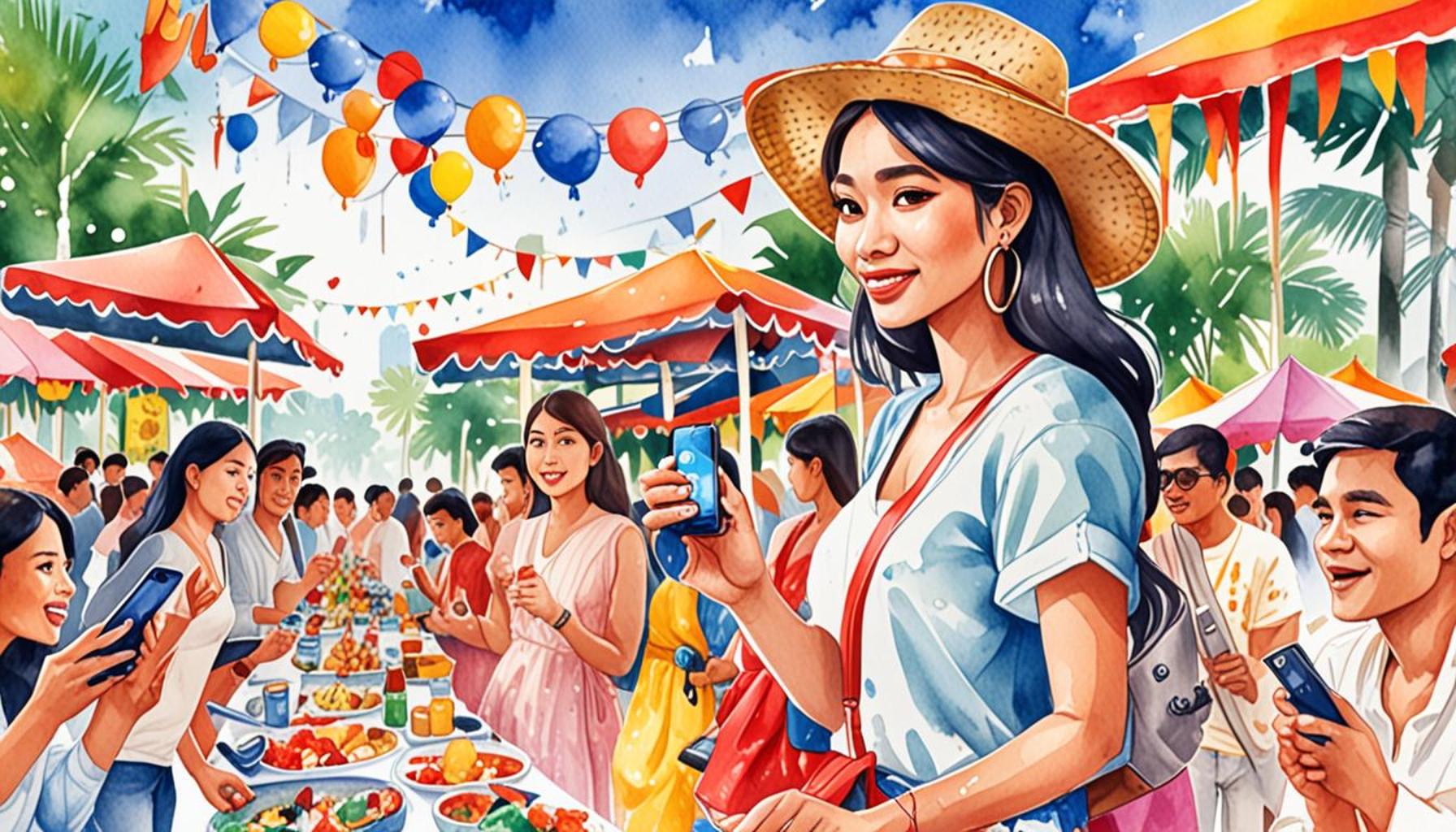
Social media has revolutionized the landscape in which brands interact with consumers, particularly in the Philippines—a country with a thriving digital culture. With a staggering 76 million active social media users, platforms such as Facebook, Instagram, and TikTok are not just platforms for interaction but are now central to shaping brand identities and influencing consumer perceptions across various industries.
Direct Engagement on social media presents brands with the opportunity to communicate with their customers instantly and authentically. This direct line of communication allows brands to respond to inquiries, address concerns, and provide updates in real-time. For instance, local skincare brand Ever Bilena engages with its users by replying to comments and incorporating feedback into their product development. This proactive approach not only fosters loyalty but also builds a transparent relationship that consumers value in their favorite brands.
Another significant aspect of social media’s influence is User-Generated Content (UGC). Consumers increasingly create content that showcases their experiences with brands, which adds a layer of authenticity that traditional advertising often lacks. A prime example is the “#JollibeeFavorite” campaign where fans share photos and stories about their favorite Jollibee meals. This community-driven content not only amplifies the brand’s reach but also enhances trust among potential customers, as they are more likely to trust the opinions of fellow consumers rather than brand advertisements.
Moreover, Targeted Advertising on social media platforms allows brands to create tailored campaigns that resonate with specific demographics. Utilizing user data, companies can design ads that speak directly to their intended audience. For example, Bench, a well-known Filipino clothing brand, uses social media analytics to understand customer preferences, enabling them to launch effective campaigns that celebrate local culture while appealing to the younger generation who are often seen as trendsetters.
The influence of social media on brand dynamics in the Philippines is profound and far-reaching. It enables both local and international companies to enhance visibility, maximize engagement, and drive sales in an increasingly competitive market. As brands like Jollibee and Bench continue to harness the power of storytelling coupled with the vibrant Filipino culture, they remain relatable, making them not just a part of the consumers’ daily lives but also an integral aspect of Filipino identity.
As we navigate this digital ecosystem, understanding the nuances of social media’s role in brand building becomes crucial for businesses aiming to stay relevant. With the rapid pace at which social media evolves, companies must continuously adapt and innovate their strategies to capture consumer attention effectively. This article will delve deeper into these dynamics, exploring how social media shapes branding in the Philippines and providing insights on leveraging the platforms for maximum impact.
SEE ALSO: Click here to read another article
Direct Interaction: The New Age of Consumer Relations
The rapid growth of social media platforms has transformed how brands build relationships with their consumers in the Philippines. Traditionally, companies reached out to potential customers through ads placed in print media or television, limiting the scope of their engagement. However, with platforms like Facebook and Instagram, brands can now foster a more interactive and personal relationship with their audience, creating a two-way street of communication.
This new dynamic allows for a more personalized approach to customer service. Brands have started embracing the concept of real-time feedback, which is crucial in the Philippine market, where consumers value immediacy and authenticity. For example, brands like Globe Telecom utilize their official Twitter account to address customer queries and complaints almost instantaneously. By doing so, they enhance their reputation and customer satisfaction while showcasing their commitment to service.
Building Trust through Authentic Engagement
Moreover, the nature of online conversations has shifted. Consumers are no longer passive viewers; instead, they actively participate in discussions about brands they love or dislike. This phenomenon is particularly relevant in the Philippines, where consumers often engage passionately on social media platforms. A survey revealed that 70% of Filipinos trust peer recommendations over brand messages, making it essential for brands to cultivate authentic engagement.
- Product Transparency: Brands that openly share the story behind their products tend to resonate better with consumers. Local brands like Chocnut have embraced this trend by detailing the origins and ingredients of their beloved chocolate treat.
- Community Building: Creating a community around a brand encourages loyalty. Coffee Bean & Tea Leaf Philippines regularly hosts events that promote local artists and initiatives, fostering a sense of belonging among its customers.
- Crisis Management: When faced with criticism or public backlash, brands can address issues promptly through social media. The swift response of brands like San Miguel Corporation during product recalls demonstrates their commitment to maintaining trust.
Across the board, brands that prioritize direct engagement and welcome authentic interactions are more likely to retain customers and cultivate a loyal fan base. The current landscape in the Philippines highlights the necessity for brands to adapt their strategies to include genuine conversations rather than purely promotional content. This evolution in consumer relations reflects a need for brands to understand their audience deeply and to communicate in a manner that resonates with the Filipino identity.
The Role of Content Creation in Brand Loyalty
As the importance of engagement grows, the significance of content creation cannot be overstated. Financially savvy brands in the Philippines are focusing on producing content that entertains, informs, and resonates with their target demographics. Brands like Lazada Philippines leverage influencers and relatable content to bolster their reach—showing that organic and locally relevant content can outperform traditional marketing strategies. By effectively using humor or local culture references, brands can establish a more relatable persona that speaks to the heart of Filipino consumers.
The continued evolution of social media in brand building illustrates a profound shift in how companies interact with their audience. As the digital landscape evolves, it becomes imperative for brands operating in the Philippines to engage their consumers authentically, fostering long-lasting relationships built on trust and community involvement.
| Advantage | Description |
|---|---|
| Increased Reach | With millions of active users, social media platforms dramatically expand brand visibility and awareness. |
| Cost-Effective Marketing | Utilizing social media for brand promotion requires a fraction of traditional advertising costs, ensuring maximum ROI. |
| Engagement with Customers | Brands can interact directly with their audience, fostering better relationships and trust. |
| Real-Time Feedback | Social media allows brands to gather immediate customer feedback, enabling quicker adjustments to products or services. |
The advantages presented in the table highlight the transformative role of social media in shaping brand identities across the Philippines. As brands expand their reach through these platforms, they can effectively tailor their marketing strategies. The ability to engage with customers and receive real-time feedback creates an interactive environment where businesses can adapt and grow according to consumer needs. Research shows that brands that actively participate in social media tend to enjoy higher customer loyalty and satisfaction. Utilizing influencer partnerships and targeting content to specific demographics can escalate a brand’s impact, creating a significant ripple effect across the market. The evolution of digital marketing strategies is crucial for businesses aiming to succeed in today’s competitive landscape.
SEE ALSO: Click here to read another article
Leveraging User-Generated Content for Authenticity
Another significant development in the realm of brand building through social media in the Philippines is the rise of user-generated content (UGC). Consumers are no longer merely recipients of marketing messages; they are now content creators in their own right. UGC represents a form of marketing that allows brands to tap into the creativity and passion of their consumers. This trend is especially pertinent in the Philippine context, where vibrant cultural expressions and artistry thrive on platforms like TikTok and Instagram.
Brands that encourage users to share their experiences or creations related to their products can cultivate a sense of ownership and community. For instance, brands like Jollibee have effectively utilized UGC by reposting videos and photos of fans enjoying their meals or participating in challenges. These posts not only serve as authentic endorsements but also create a narrative surrounding the brand that resonates deeply with the Filipino audience, making them feel part of the Jollibee family.
Influencer Collaborations: Navigating Authenticity and Reach
The influencer marketing landscape in the Philippines has blossomed, becoming an essential component of social media strategies for many brands. Collaborations with local influencers extend brand reach while adding layers of credibility and authenticity. Filipino influencers, ranging from micro to macro levels, have a unique ability to connect with their audiences through shared values and relatable storytelling. According to recent statistics, 57% of Filipino consumers are more likely to purchase products endorsed by influencers they trust.
- Micro-Influencers: These individuals generally possess smaller but highly engaged audiences, making them appealing to brands that want to forge deeper connections. For example, beauty brands such as Happy Skin have turned to micro-influencers to share genuine reviews, effectively driving sales through authentic recommendations.
- Brand Ambassadors: Companies like Bench have excelled in creating long-term relationships with influencers as official brand ambassadors. This strategy lends an air of consistency and loyalty that resonates well with audiences.
However, the effectiveness of influencer marketing hinges on the genuine alignment between the influencer’s persona and the brand’s identity. Consumers in the Philippines value authenticity highly; thus, mismatched partnerships can lead to skepticism and erode trust.
Building a Localized Brand Narrative
With the diverse culture and rich traditions in the Philippines, brands that can tap into localized narratives stand to benefit immensely. Successful brands like Magnolia have employed regional stories and local dialects in their marketing campaigns. By embracing local culture through social media, these brands forge deeper emotional connections with their audience. The Filipino spirit of bayanihan (community cooperation) can be seen in campaigns where brands encourage collective actions or social responsibility initiatives via platforms such as Facebook, emphasizing community welfare.
The integration of localized content not only fosters brand loyalty but also positions companies as active participants in Philippine culture. When brands celebrate local festivals or traditions, they resonate more profoundly with consumers, enhancing their relatability.
In a landscape where social media continues to evolve, brands must adapt and harness these dynamic tools effectively. The interplay of UGC, influencer partnerships, and culturally resonant narratives indicates a comprehensive approach for brands looking to build their identity and strengthen consumer loyalty in the Philippine market. As they navigate this complex environment, a commitment to authenticity and community engagement remains paramount for sustained growth and relevance.
CHECK OUT: Click here to explore more
Conclusion: Navigating the Future of Brand Building in the Philippines
In summary, social media has profoundly transformed the landscape of brand building in the Philippines, offering brands unparalleled opportunities to connect with consumers in authentic and meaningful ways. Through strategies that leverage user-generated content, collaborate with trusted influencers, and create localized narratives, brands can forge stronger relationships with their audience, ultimately fostering loyalty and community.
The rise of Filipino influencers and the engagement they bring to the table offers brands a diverse range of avenues to emphasize authenticity and relatability. As demonstrated by successful campaigns from brands like Jollibee and Magnolia, understanding and celebrating local culture is essential for resonating with Filipino consumers. This cultural alignment not only elevates a brand’s identity but also positions it as a vital player within the social fabric of the nation.
Moreover, as digital platforms continue to evolve, brands must remain agile, adapting their strategies to stay relevant in an increasingly crowded marketplace. A commitment to genuine community engagement and responsiveness to consumer feedback will be crucial for brands striving for relevance and growth in the social media arena.
Ultimately, the effective integration of social media into brand building can no longer be seen as an option but as a vital component in navigating the complexities of modern consumer behavior in the Philippines. As brands continue to innovate and reshape their narratives, they will not only enhance their market presence but also contribute to the vibrant tapestry of Filipino culture. The journey ahead is one of creativity, engagement, and shared stories, all critical in shaping a successful brand narrative in today’s fast-paced digital world.